When Life Keeps Moving and You Learn to Carry With Intention
Life rarely announces its turning points. Most changes arrive quietly, folded into ordinary days that look the same from the outside. A new responsibility settles in. A routine shifts by a few minutes. A different route is taken without much thought. Movement begins before it is named and people adjust instinctively, stepping forward while still holding traces of what came before.
There is often no ceremony to these moments. No clear line that separates the old season from the new. Instead, life continues, and somewhere in the middle of errands, commutes, conversations and pauses, people realize they are no longer moving the same way they used to.
In these transitions, what we carry becomes more than habit. Bags stop being background objects and begin to reflect intention. They hold not only what is needed but also how a person is learning to move through their days. The weight shifts. The pace changes. And slowly, almost without notice, the act of carrying begins to mirror the life being lived.
This is not about fashion statements or trends. It is about alignment. About noticing how small, everyday choices support or resist the rhythm of life. About learning that the way you move through a day is shaped, in part, by what you choose to carry along with you.
Mornings That No Longer Look the Same
There is a moment when mornings stop feeling temporary. They lose the sense of experimentation and settle into form. The alarm rings, the body responds and preparation becomes instinct rather than effort. What once required thought becomes automatic. Shoes are chosen without deliberation. Keys land in the same pocket each day. A bag waits by the door, already familiar, already ready.
These mornings are not rushed in the same way they once were. Even when time is tight, there is an underlying confidence. The essentials are known. The routine has been tested enough times to be trusted. Movement feels less reactive and more deliberate.
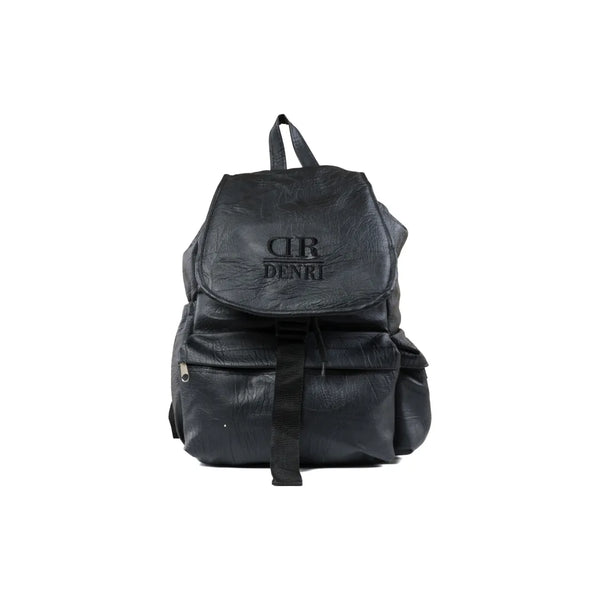
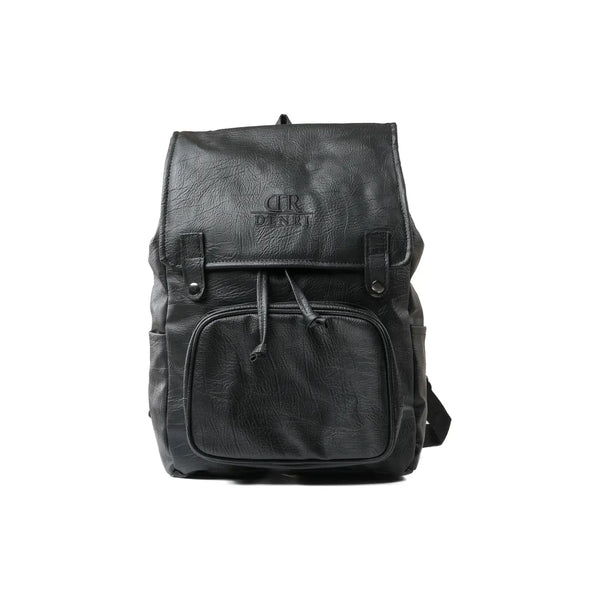
For some, that bag is a steady backpack like the Denri Safiri Backpack, worn through mornings that start early and stretch late into the evening. It carries work items, personal essentials, maybe a light layer for changing weather, and the quiet assurance that nothing important has been left behind. It does not demand attention or adjustment throughout the day. Furthermore, it simply works, allowing the person wearing it to focus on where they are going rather than what they are carrying.
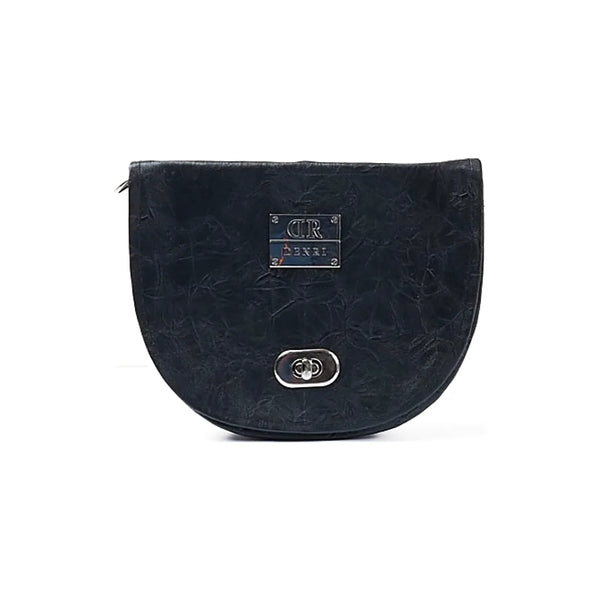
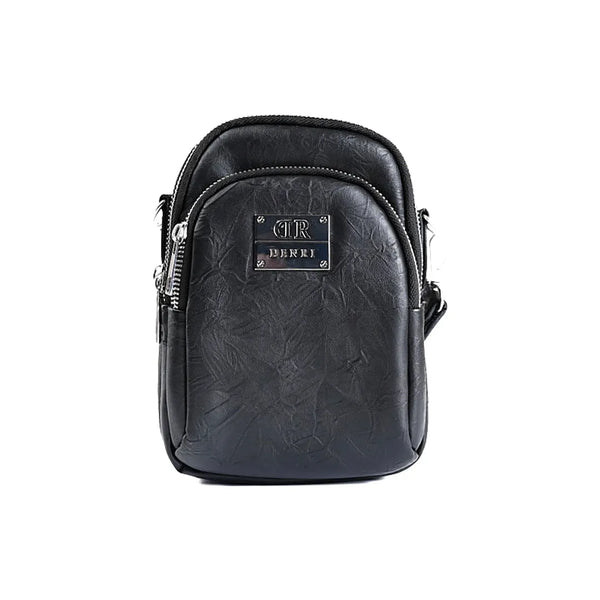
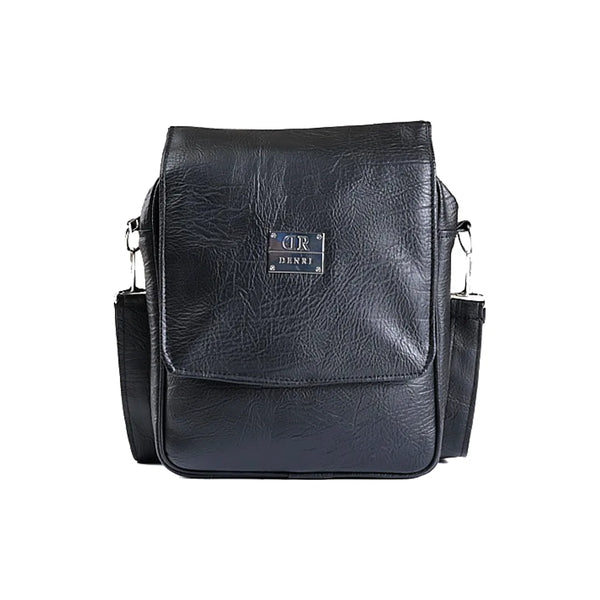
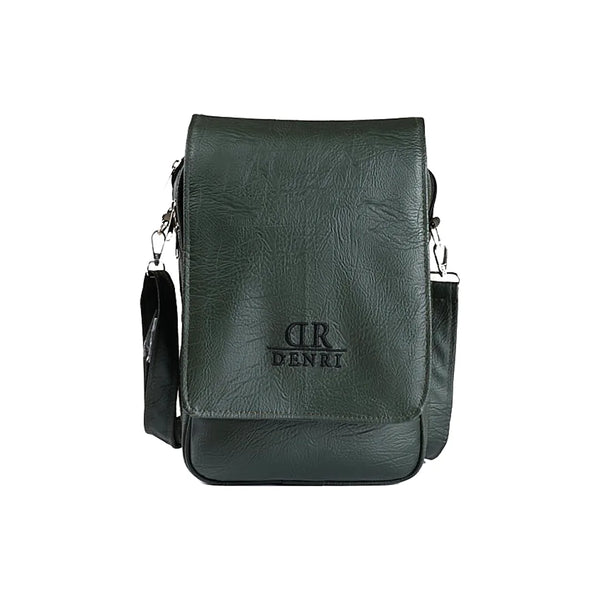
Other mornings ask for something lighter. Not every day requires capacity. Some days are built around movement rather than long hours in one place. A sling such as the Denri Montana Sling Bag rests close to the body, carrying only what is necessary: a phone, wallet, keys, and perhaps a small notebook. These mornings feel different. There is less to manage, less to remember, and less to carry physically and mentally.
Over time, people begin to notice how carrying well changes how they arrive. Preparedness softens stress before it fully forms. Familiarity reduces friction in small but meaningful ways. The day begins with less resistance, and attention shifts outward rather than inward. The bag becomes part of the rhythm, not an interruption to it.
The Space Between Responsibilities
Not all movement is purposeful in obvious ways. Some of it happens in the margins of the day; between tasks, between places, between roles, etc. A short walk taken to clear the mind. An errand squeezed in between meetings. A quiet pause before the next obligation arrives.
These moments often go unnoticed, yet they play a significant role in how the day feels as a whole. They are where people recalibrate, where thoughts settle, and where the body catches up with the pace set earlier in the day.
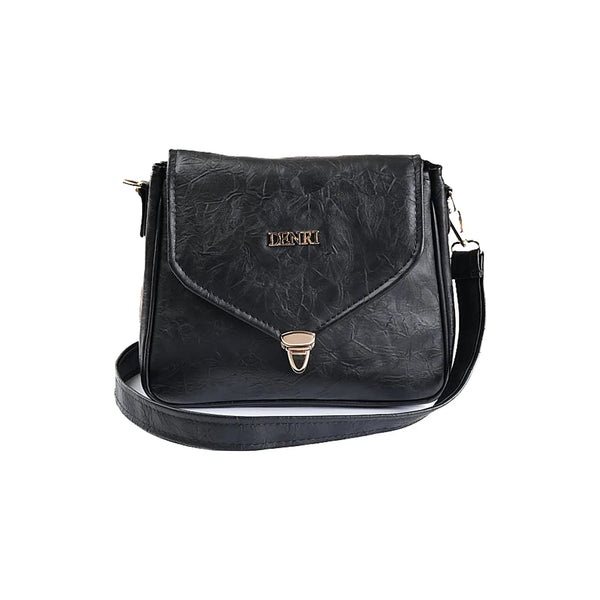
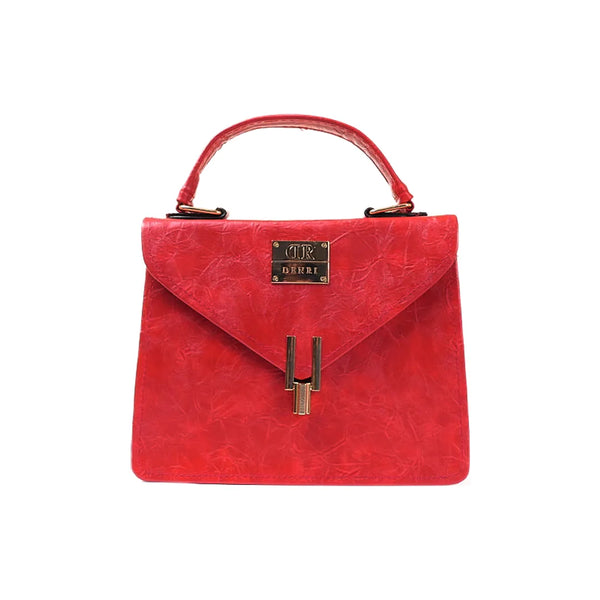
During these in-between moments, bags become quiet companions rather than tools. A structured handbag like the Denri Sierra Handbag moves effortlessly through different environments. It works just as well in professional settings as it does in more relaxed ones, adapting without drawing attention to itself. It carries personal items, notebooks, or a light layer, shifting roles as the day unfolds. Something is grounding about having a bag that does not need to be rearranged with every transition. It removes a layer of decision-making from an already full day. It allows focus to remain where it matters.
Even a compact option like the Denri Celine Sling Bag plays an important role here. It keeps essentials close and secure, freeing hands and attention. The absence of excess creates space, and that space becomes a form of relief. When there is less to manage physically, there is often more room to breathe mentally.
As days repeat, these small adjustments accumulate. Life begins to feel less rushed, not because there is less to do, but because movement is supported rather than resisted. The spaces between responsibilities become moments of recovery instead of sources of tension.
When Work and Life Share the Same Day
For many people, work no longer fits neatly into defined hours or fixed locations. It blends into life. Laptops travel from place to place. Conversations continue beyond desks. Responsibilities follow people home, into shared spaces, and sometimes into moments that were once reserved for rest.
This blending can be productive, but it can also be draining without the right boundaries. What is carried and how it is carried play a role in maintaining balance.
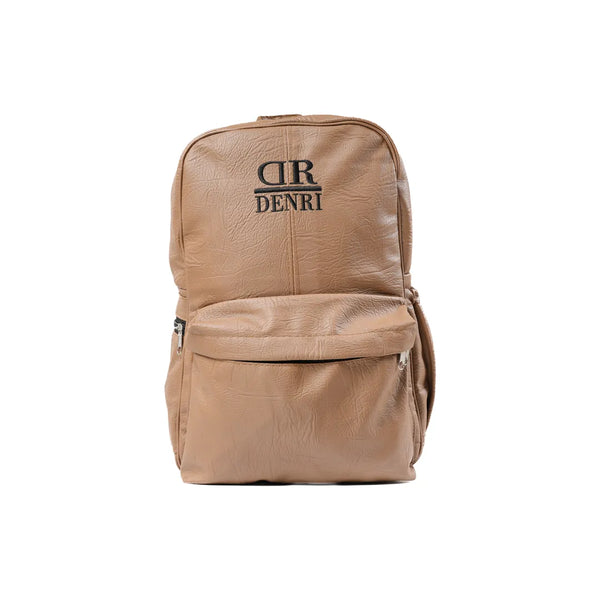
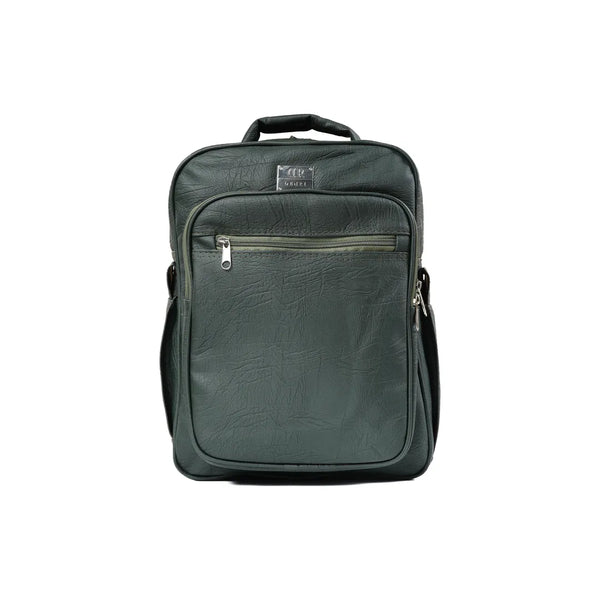
Backpacks like the Denri Prime Backpack and Denri Bello Backpack respond to this reality quietly and effectively. They protect devices, organize documents, and make movement between environments feel seamless. Their value lies not in standing out, but in enabling focus by removing small inconveniences that otherwise accumulate throughout the day.
A well-organized bag becomes a form of boundary setting. It separates what belongs to work from what belongs to life, even when both exist within the same day. This separation allows people to engage fully in each role without feeling scattered or overwhelmed.
Some days demand more capacity. Meetings extend unexpectedly. Commitments stack. Travel takes longer than planned. The Denri Double Press Backpack offers room without unnecessary bulk, supporting long hours without becoming a burden. It adapts to intensity while maintaining balance.
Work and life will always overlap to some degree. The difference lies in whether that overlap feels chaotic or manageable. Carrying with intention allows movement between roles to feel purposeful rather than exhausting.
Evenings That Hold Reflection
As daylight softens and the city's pace changes, movement slows. The urgency carried earlier in the day begins to release. Bags are placed down, opened, and emptied. Their contents quietly tell the story of the hours just lived.
In family homes, larger backpacks and carryalls often rest near doorways. They hold work materials, personal items, and reminders of responsibilities that will resume tomorrow. Nearby, the Denri Scooby School Bag may sit alongside adult bags, a subtle reminder that growth and responsibility move in parallel across generations.
Evening routines are shaped by what has been carried. Lunch containers are unpacked. Notebooks are reviewed. Devices are set aside or plugged in for the next day. These small rituals create a sense of closure, allowing the day to end with intention rather than fatigue.
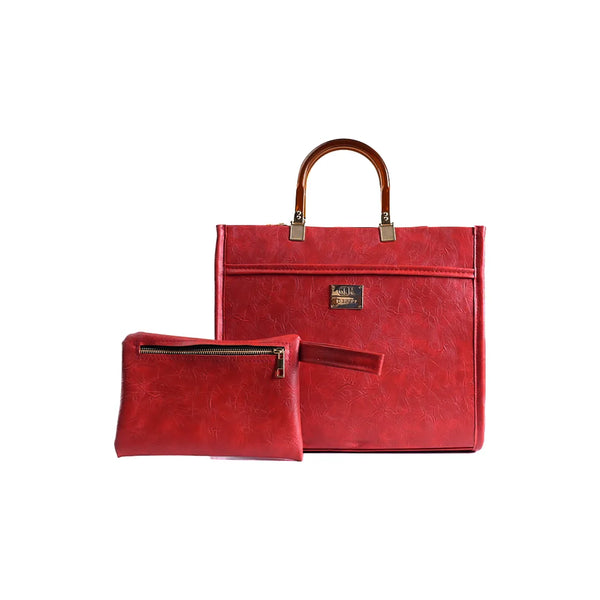
Handbags like the Denri Skye Handbag transition naturally into these quieter hours. They carry less urgency now and more familiarity. Their presence blends into the environment rather than signaling movement or demand.
In these moments of slowing down, reflection happens almost unconsciously. People consider what felt heavy and what felt light. What supported them without asking for attention? What could be adjusted tomorrow to make the movement smoother? Carrying well is often recognized most clearly at the end of the day, when its impact has already been felt.
Growth That Happens Quietly Over Time
Change is often measured in milestones. New roles, new spaces, new achievements. Yet most growth does not announce itself so clearly. It happens quietly, through repetition, adaptation, and refinement.
Bags bear witness to this kind of growth. Straps soften with use. Compartments settle into familiar patterns. The Denri Safiri Backpack, which once felt structured and new, begins to feel like an extension of the body. The Denri Sierra Handbag shows subtle signs of daily life, not as damage, but as evidence of presence and consistency.
These signs of use reflect stability. They show up in how confidently people move, how little they think about what they are carrying, and how fully they engage with what lies ahead. Carrying becomes instinctive rather than reactive.
Over months and seasons, people learn what they truly need: what deserves space, what can be left behind. This quiet refinement shapes both routines and identity. Preparation becomes second nature. Carrying becomes intentional. And life, though still full, begins to feel more manageable.
When Movement Becomes a Way of Life
Some seasons are defined by motion. Commutes lengthen. Responsibilities multiply. New roles emerge, sometimes before old ones have fully settled. Life asks for flexibility, patience, and endurance.
Backpacks such as the Denri Bello Backpack and Denri Prime Backpack support these seasons without drama. They allow people to keep going, to adapt without stopping, to carry what is required while leaving room for what may come next.
Sling bags remain essential during these times, offering simplicity when days demand speed and focus. Handbags continue to provide structure when environments shift, and expectations change.
Through it all, carrying becomes less about objects and more about alignment. The right bag does not interrupt movement or demand adjustment. It supports presence, allowing attention to remain on experiences rather than logistics. Movement, in this sense, is not rushed. It is purposeful. It reflects a life lived with awareness rather than urgency.
What Remains When the Day Ends
At the end of the day, bags return to the same places they began. Their role pauses, but their impact remains. They have carried effort, intention, and care. What they held shaped how the day unfolded. What they made easier allowed focus to settle elsewhere. Their support often goes unnoticed, yet it is deeply felt.
Over time, people learn that carrying well is not about having more, but about choosing wisely. About aligning tools with life rather than forcing life to adapt to tools. When life keeps moving, those who learn to carry with intention move steadily with it. Prepared. Grounded. Present. And in that quiet alignment, movement becomes not just something that happens, but a way of living.