The Things We Carry Without Thinking: How Bags Quietly Shape Daily Experience
There is a certain kind of weight that rarely announces itself.
It does not arrive all at once. It builds gradually, through repetition and routine, settling into the background of daily life until it becomes almost invisible. A slight delay when searching for keys. A moment of imbalance when adjusting a strap. The quiet irritation of realizing something needed has been left behind. None of these moments feel important on their own. They pass quickly, replaced by the next task, the next movement, the next demand for attention. Yet over time, they accumulate.
In cities like Nairobi, where movement is constant and the pace of life rarely slows, these small inefficiencies do not remain small. They gather quietly, shaping how a day feels without ever being clearly identified as the cause. A morning that begins with minor friction often carries that same tone into the afternoon and evening. Not because anything significant has gone wrong, but because too many small things have not gone right.
It is easy to overlook the role of the objects that accompany us through these moments. A bag is rarely chosen with deep consideration. It is picked, used, and then forgotten as attention shifts to more visible concerns. And yet, it remains present through every transition. It carries what is needed. It influences how easily those items can be accessed. It determines whether movement feels smooth or interrupted.
In this way, the bag becomes more than a simple accessory. It becomes part of the structure that supports the day itself.
The Morning Decision That Shapes Everything After
Mornings rarely feel as calm as they appear from the outside. There is a quiet urgency that runs beneath the surface. Even in stillness, the mind moves ahead, anticipating what the day might require. This anticipation shapes small decisions that are made almost automatically. What to carry. What to leave behind. What might be needed later.
These choices rarely feel significant at the moment. They are made quickly, often without reflection. Yet they create the foundation for everything that follows.
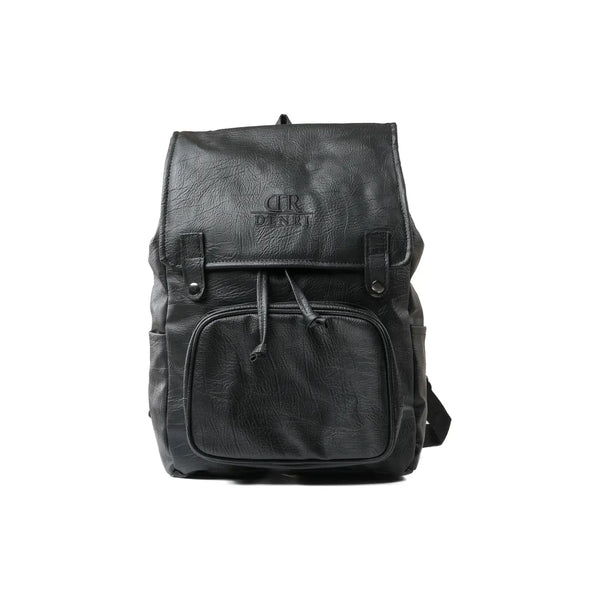
A structured option like the Denri Monah Backpack supports this process without demanding attention. Its compartments allow items to be placed with a sense of order that feels natural rather than forced. A laptop rests securely without shifting. Documents remain flat and accessible. Smaller items settle into their own spaces, reducing the need to search later.
There is a subtle reassurance that comes from this kind of organization. It is not dramatic. It does not announce itself. But it allows the morning to begin with a sense of readiness that carries forward into the rest of the day.
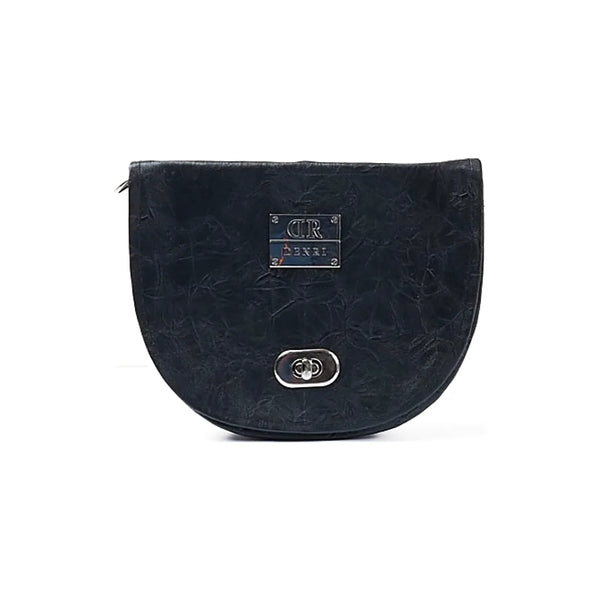
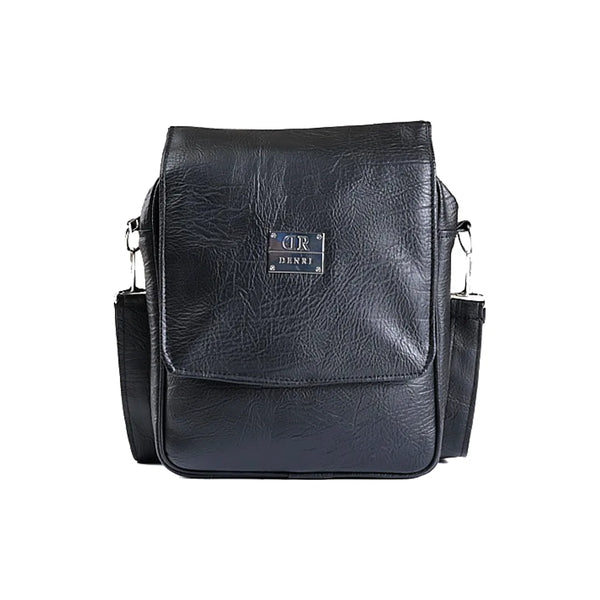
For mornings that require less, the Denri Moon Sling Bag offers a different kind of clarity. Its limited space encourages selectivity. Only what is essential is carried, which often leads to a lighter, more focused start. There is less to manage, less to think about, and fewer opportunities for small disruptions to appear.
This early decision, made almost without thought, shapes how the rest of the day unfolds.
The Invisible Cost Of Disorganization
Disorganization is rarely chaotic in an obvious way as it often appears in quieter forms. Items placed without intention. Compartments that do not quite serve their purpose. A lack of clear separation between what is important and what is not. At first, these details seem insignificant. They do not stop the day from moving forward.
But they introduce friction. A moment spent searching for a charger becomes two. A misplaced item interrupts a conversation. A bag that needs constant adjustment pulls attention away from what actually matters. These interruptions are small, but they are repeated. And repetition gives them weight.
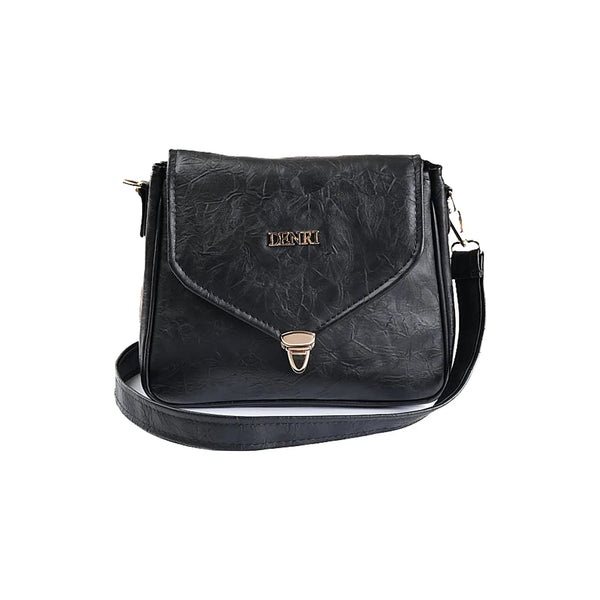
A piece like the Denri Trecento Sling Bag reduces this friction through simplicity. Its design limits excess while maintaining accessibility. Essentials remain within reach, not buried beneath unnecessary items. Movement becomes smoother because fewer adjustments are required.
For those who carry more, the Denri Kai Classy Leather Backpack provides structure without rigidity. It allows different types of items to coexist without competing for space. Work tools, personal belongings, and smaller accessories each find their place, creating a quiet order that supports the day rather than complicating it.
The absence of friction is not always noticed immediately. It reveals itself over time, in the ease with which tasks are completed and transitions are made.
Movement Through The City
Cities create their own rhythm.
In Nairobi, this rhythm is shaped by constant motion. Streets fill and empty. Vehicles move in patterns that shift throughout the day. People navigate between offices, homes, markets, and social spaces, often without pausing long enough to notice how much ground they cover.
Within this movement, comfort becomes essential. A bag that sits awkwardly against the body draws attention to itself. One that requires frequent adjustment interrupts the flow of movement. These small distractions accumulate, turning what should be simple transitions into moments of quiet discomfort.
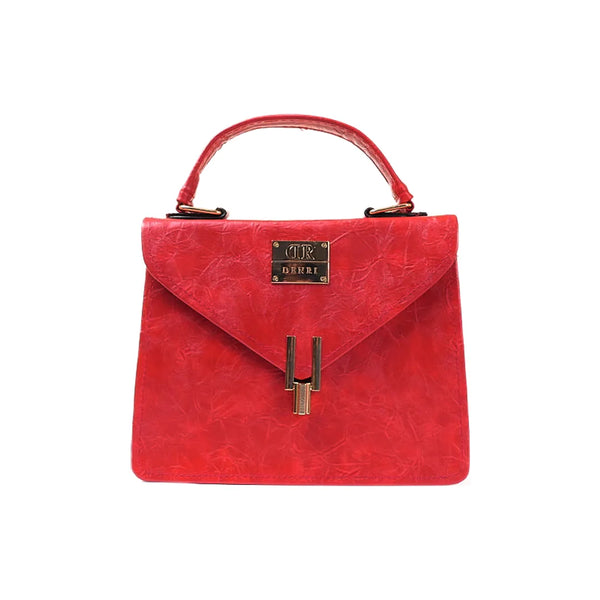
The Denri Claire Handbag supports movement in a way that feels balanced. Its design allows items to remain accessible without compromising structure. It adapts to both professional and casual environments, making it suitable for a day that does not remain in one place.
Similarly, the Denri Lola Handbag offers a softer experience. It accommodates the shifting demands of the day without becoming burdensome. Items can be added or removed without disrupting the overall balance, allowing movement to continue without interruption.
When movement feels natural, attention shifts away from what is being carried and toward what is being experienced.
When The Day Expands Beyond Expectation
Not all days remain contained within their original plans.
A short errand turns into multiple stops. A meeting extends longer than expected. An unexpected responsibility appears, requiring immediate attention. Time stretches, and with it, the demands placed on what is being carried.
In these moments, capacity becomes important. But capacity alone is not enough.
Without structure, additional items quickly lead to disorganization. What was once manageable becomes difficult to navigate. The effort required to find or access something increases, adding strain to an already extended day.
The Denri Jumbo Travel Bag responds to this challenge with quiet efficiency. It allows for expansion without losing control. Items can be added as needed, yet remain accessible and organized. The bag adapts to the day, rather than forcing the day to adapt to it.
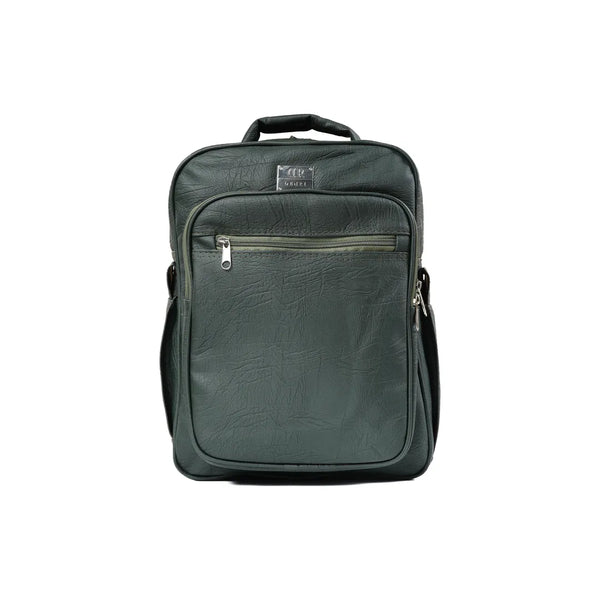
For more structured demands, the Denri 14-inch Laptop Backpack ensures that essential items remain protected and easy to reach. It provides consistency in situations where other aspects of the day may feel uncertain.
This balance between capacity and structure allows longer days to remain manageable.
The Role Of Material And Time
One of the most overlooked aspects of everyday bags is how they change over time.
At first, a bag feels new and defined. Its shape is firm. Its surfaces are uniform. It exists as an object separate from the person using it. But with repeated use, this begins to shift.
Handles soften where they are held most often. Surfaces adjust to the patterns of daily movement. The bag becomes more responsive, more familiar, more aligned with the habits of its owner. Leather, in particular, reflects this process clearly.
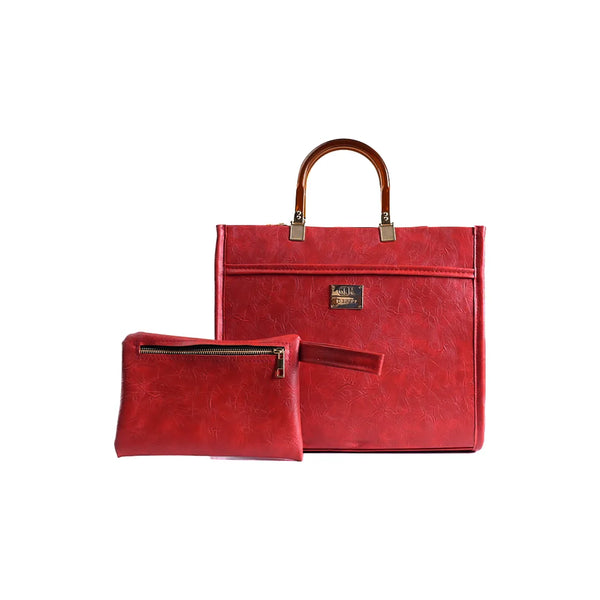
The Denri Zuri Handbag develops character through use. It does not remain static. It changes subtly, responding to touch, movement, and environment. Over time, it begins to feel less like something being carried and more like something that belongs.
This transformation is gradual. It cannot be rushed. But it adds a layer of familiarity that new objects cannot immediately provide.
The Quiet Shift Toward Reliability
Reliability is not something people often think about until it is missing.
A zipper that sticks. A strap that feels unstable. A compartment that does not hold its shape. These small issues draw attention precisely because they disrupt expectation. When a bag works consistently, these concerns disappear.
The Denri Alpha Travel Bag offers this kind of reliability. It supports repeated use without requiring constant attention. Items remain secure. Structure remains intact. The bag performs its role without interruption.
Over time, this consistency creates trust. There is no need to double-check or adjust. The focus shifts entirely to the day itself, rather than the tools used to navigate it.
Evenings And The Return To Stillness
As the day comes to an end, movement slows.
The same bag that carried the morning’s intentions now holds the quiet evidence of what has passed. Receipts, notes, small additions gathered along the way. Each item tells a small part of the day’s story.
Unpacking becomes a subtle form of reflection. Items are removed, sorted, returned to their places. Some remain, ready for the next day. Others are set aside, no longer needed. This process is not rushed. It mirrors the gradual slowing of the day itself.
A bag that has maintained order throughout the day makes this transition easier. There is no need to untangle or search. Everything is where it should be.
This quiet conclusion prepares the ground for what comes next.
Preparation Without Effort
The most effective systems are the ones that do not feel like systems.
They operate in the background, supporting action without demanding attention. A well-chosen bag becomes part of this invisible structure. It holds what is needed. It reduces friction. It allows movement to remain uninterrupted. Over time, this creates a sense of ease that extends beyond the object itself.
Mornings begin with less hesitation. Transitions happen more smoothly. Even unexpected changes feel more manageable. Not because the day has become simpler, but because the tools supporting it have become more reliable. The things we carry will always be part of daily life. But the way we carry them can change everything.
And sometimes, that difference is the quiet factor that turns a demanding day into one that moves forward with steady, uninterrupted clarity.