The Quiet Structure Behind the Bags That Follow Us Through the Day
There is a particular rhythm to movement that most people do not consciously notice. It shows itself in the small transitions that fill an ordinary day. A door opening in the morning. The weight of a bag settling onto a shoulder. The familiar gesture of checking whether keys and phone are in their usual place. These movements repeat themselves so often that they fade into the background of daily life.
Yet within those quiet repetitions lies something meaningful. The objects we choose to bring with us shape how easily we move through the world. They influence whether a day feels organized or scattered, calm or hurried. A well-chosen bag does not demand attention, but it quietly removes friction from moments that would otherwise feel heavier.
In cities across Kenya, where daily life rarely follows a single predictable path, the ability to move smoothly between different environments matters more than people realize. A morning may begin with work commitments, pass through errands and conversations, and end in a relaxed gathering with friends or family. The bag that accompanies this journey becomes a small but steady participant in the rhythm of the day. It holds what matters, and just as importantly, it allows the person using it to focus on everything else.
The Morning Ritual of Readiness
Morning preparation has its own quiet logic. It rarely appears dramatic from the outside, yet it holds a surprising amount of intention. People move through their spaces with an awareness of what the day might require. A laptop placed carefully beside a notebook. Earphones slipped into a small pocket. A charger tucked into a compartment where it can be found later without searching. This process is not simply about packing items. It is about creating readiness. When everything has a place, mornings begin with clarity rather than confusion. The bag becomes the container that gathers the pieces of the day before the day has fully begun. Instead of scrambling for forgotten items, people step outside already prepared for what lies ahead.
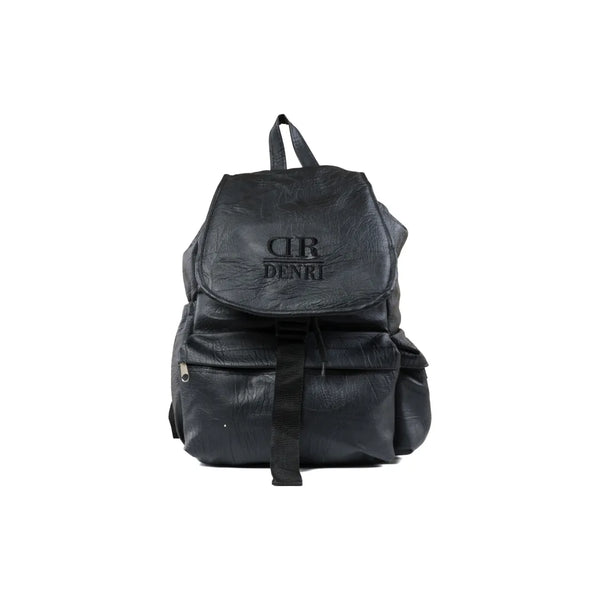
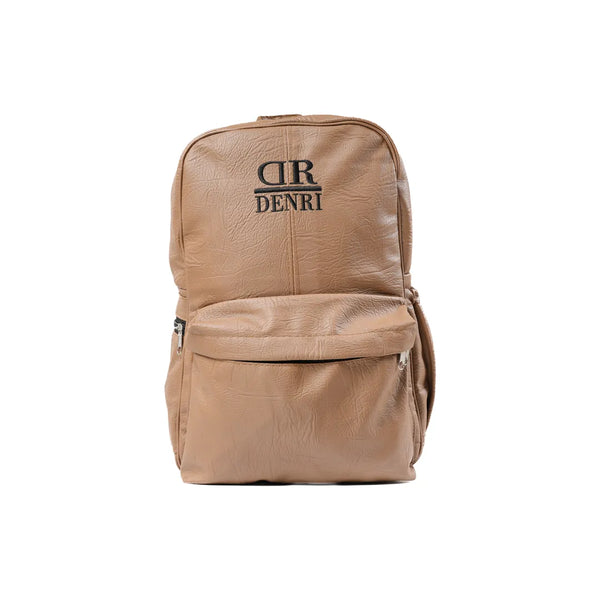
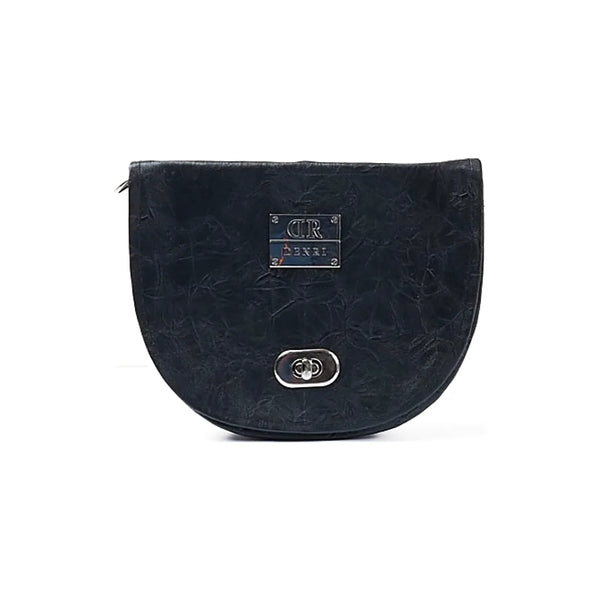
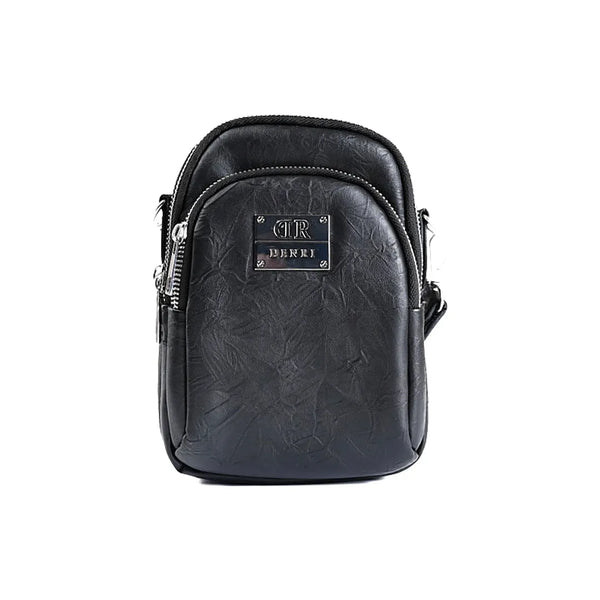
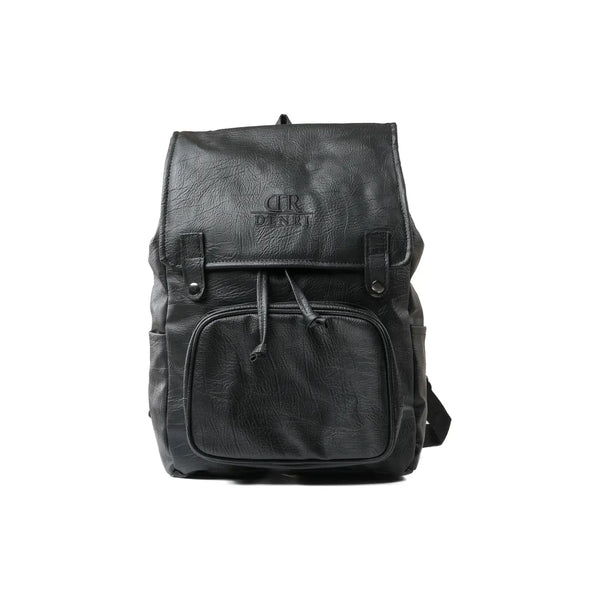
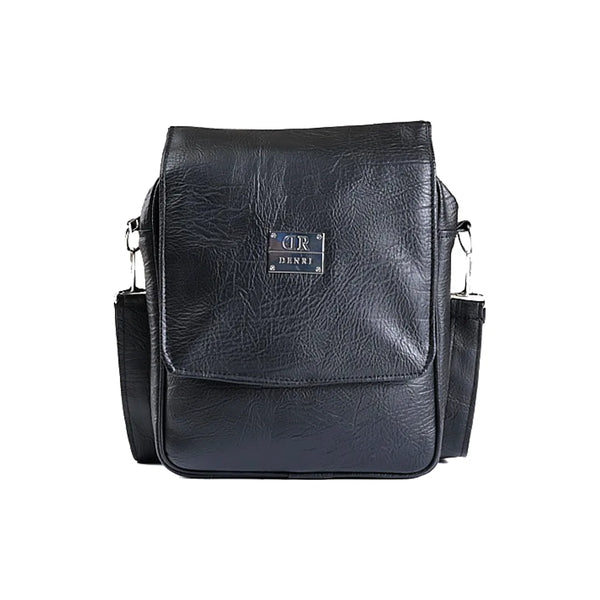
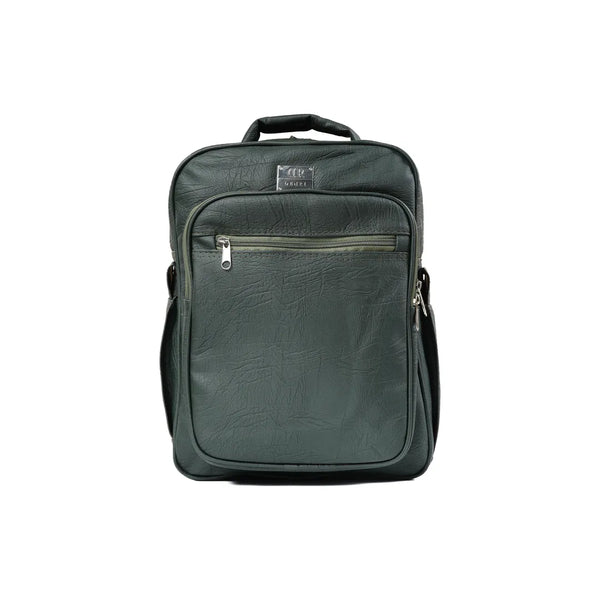
A thoughtfully designed piece such as the Denri Safiri Backpack naturally supports this rhythm of preparation. Its interior allows daily tools to settle into their own spaces without crowding each other. A laptop sits securely against the back panel. Notebooks and small accessories find their own compartments. The bag does not need constant rearranging because its structure quietly encourages organization. For days that require less capacity, a compact option like the Denri Montana Sling Bag offers a different kind of readiness. Its size encourages simplicity. Only the essentials travel along, which can often make the day feel lighter both physically and mentally.
This balance between preparation and simplicity shapes how the morning unfolds. When organization feels natural, attention shifts easily to the people, conversations, and opportunities that fill the hours ahead.
Moving Through the City
Cities have their own pulse. Nairobi in particular carries a blend of motion and pause that defines how people navigate their routines. Streets fill and empty. Offices open their doors. Cafes become temporary meeting spaces. Between these environments, people move steadily, often without fully noticing how much ground they cover. The bag accompanying these movements plays a subtle role in how comfortable those transitions feel.
A crossbody design allows the hands to remain free during crowded commutes or quick errands. A backpack distributes weight evenly across the shoulders, making longer walks more manageable. A structured handbag provides easy access to items during meetings or social gatherings. These differences may appear small, yet they accumulate throughout the day.
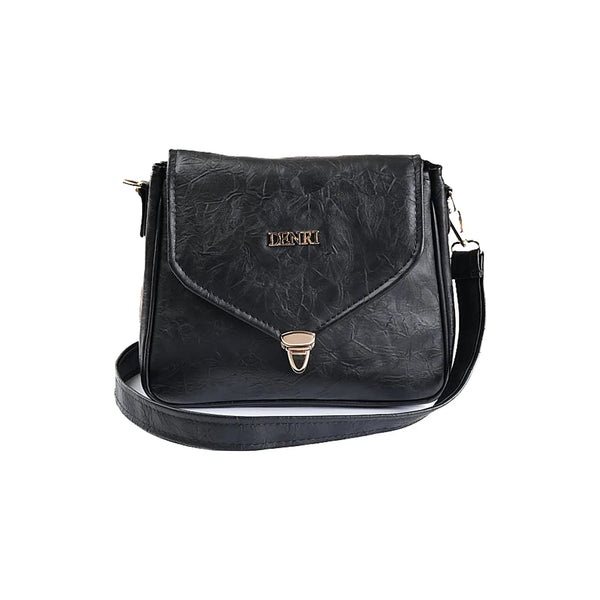
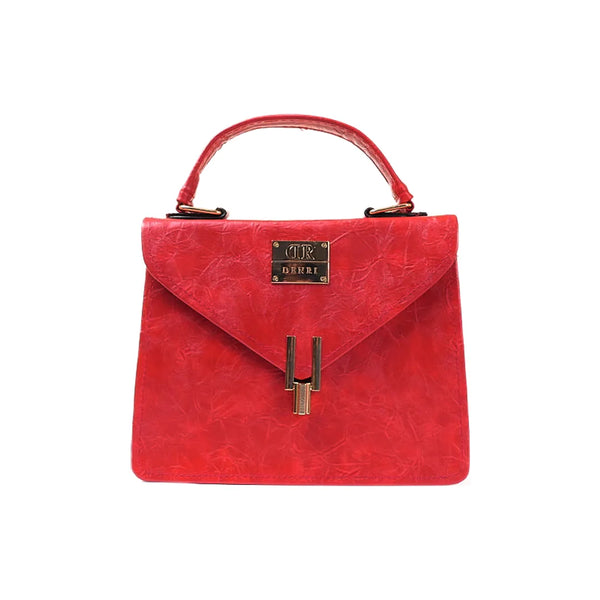
Consider a professional who spends the morning working through emails and project notes, then later travels across the city for a meeting. Carrying a dependable piece like the Denri Claire Handbag allows these transitions to happen smoothly. Its interior keeps documents and personal items organized, while its adaptable design makes it suitable in both professional and casual settings.
Later in the day, the same person might stop at a market or meet friends for coffee. The bag remains present, supporting these moments quietly without interrupting them. Movement becomes easier when what we use supports rather than complicates the journey.
The Role of Balance
Balance is an idea that appears often in conversations about work and life, but it also applies to the objects that support our routines. A bag that is too large encourages unnecessary clutter. A bag that is too small forces constant compromise. Finding the middle ground allows daily movement to feel natural rather than restricted. This is where thoughtful design becomes meaningful.
The Denri Sierra Handbag offers enough space for essential items without feeling oversized. Its interior structure creates order, while its exterior maintains a refined simplicity that suits different environments. It becomes the kind of bag that adapts to the day rather than dictating it.
Balance also appears in weight and proportion. A bag should feel reassuring without becoming burdensome. When empty, it should carry a sense of quality. When filled, it should distribute weight in a way that respects the body. These details often go unnoticed in the moment. They reveal themselves gradually through repeated use.
Moving With Intention
There is a subtle shift that happens when people begin to organize their belongings with intention rather than habit. It starts with small observations. Perhaps a certain pocket always holds keys. Another compartment becomes the place for daily tech. A small section is reserved for personal items that should remain secure and easy to reach. These patterns develop naturally through repetition.
Once they form, they simplify everyday life. Instead of searching through a crowded bag, items appear exactly where they are expected to be. Instead of feeling uncertain about what was forgotten, there is quiet confidence that everything needed is already in place.
A piece like the Denri Aria Sling Bag encourages this kind of intentional organization through its compact structure. Because space is limited, every item placed inside serves a purpose. The result is not restriction but clarity. Intentional organization changes how people relate to their belongings. Unnecessary items gradually disappear. What remains reflects daily priorities more accurately.
Materials That Adapt to Everyday Life
One of the most interesting aspects of everyday bags is how materials respond to repeated use. Leather in particular develops character through time and experience. At first, a leather bag feels structured and composed. Its surface appears smooth and uniform. But as days pass, subtle changes begin to appear. The handle softens where it is held most often. The leather deepens slightly in tone where light and touch interact with it.
These changes are not flaws. They are signs of life. In environments like Kenya, where sunlight, movement, and varied routines shape daily experience, leather responds naturally to its surroundings. A bag used frequently becomes more flexible and comfortable without losing its strength.
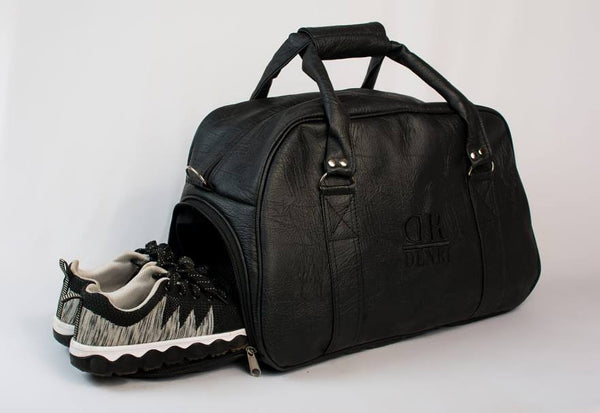
The Denri Man Bag reflects this relationship between material and use. Designed for regular movement, its leather adapts gradually to the habits of the person using it. Over time, it begins to feel familiar in a way that new objects rarely do.
The Comfort of Familiarity
After weeks and months of use, a particular bag often becomes the default choice without conscious decision. It sits by the door or hangs on a familiar hook, ready for the next day.
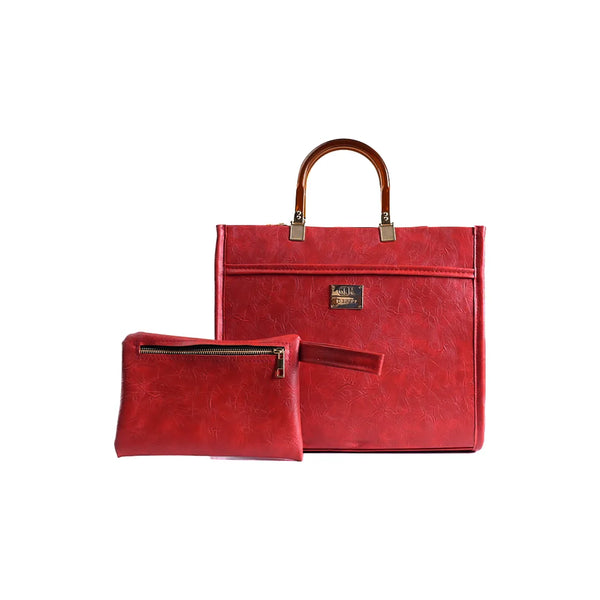
Familiarity grows quietly. People learn exactly how the bag rests against their shoulder. They know how far the zipper opens without looking. They reach for items inside almost instinctively, guided by memory rather than sight. A dependable piece like the Denri Zuri Handbag often becomes part of this routine. Its consistent structure and balanced design allow it to fit seamlessly into everyday life. In many ways, this is the highest compliment a bag can receive. It becomes part of the rhythm of daily life without demanding attention.
Evenings and the Return Home
As the day winds down, movement gradually slows. The same bag that accompanied morning preparation now carries the small evidence of the hours that have passed. Receipts rest in a side pocket. A notebook holds quick ideas written during quiet moments. Perhaps a book or scarf sits inside, added during an unexpected stop. When the bag is finally set down at home, it becomes part of a different rhythm.
Items are removed one by one. Some return to their places around the house. Others remain inside, ready for the next morning. The act of unpacking becomes a quiet reflection on the day itself. Over time, this process shapes how people prepare for tomorrow. The bag becomes not just a practical item, but a small space where daily life gathers and reorganizes itself.
Ready for Another Day
Preparation rarely feels dramatic. It appears in ordinary habits repeated consistently. A bag placed by the door. Keys returned to their pocket. Devices plugged in to charge overnight. These actions take only a few moments, yet they create a sense of readiness that carries into the next day. When morning arrives again, the cycle continues. The bag waits quietly, already holding what matters most. The person steps outside prepared for whatever the day might bring.
In this way, everyday bags become more than practical tools. They quietly support routines, adapt to changing environments, and bring a sense of order to the movement of daily life. And sometimes, that quiet reliability is exactly what turns an ordinary day into one that moves forward with calm confidence.