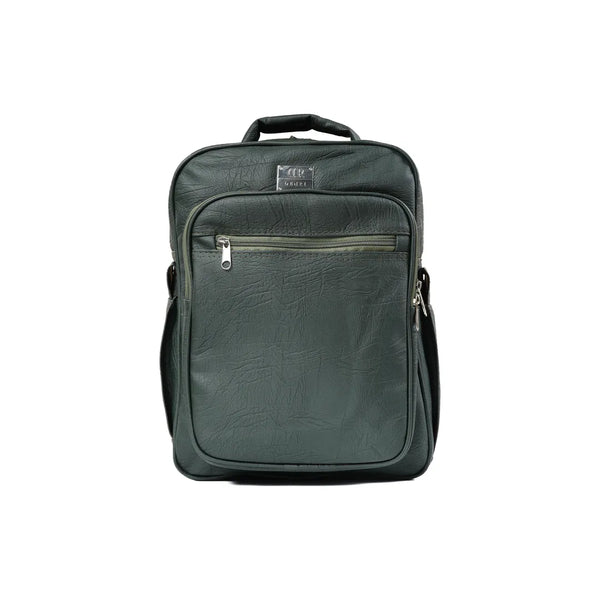
Beyond the Bag: How Denri Connects Customer Service with Better Bag Choices
Customer service is often discussed as something that happens after a customer has already decided what to buy. In reality, the experience can begin much earlier, especially when the product has to fit into a demanding everyday routine. Someone looking for a bag in Nairobi may be thinking about a laptop, documents, a change of clothes, a long commute, a meeting, or several stops before getting home. Someone travelling between counties may have an entirely different set of priorities from someone moving between a campus and an office. That difference is why useful customer service starts with understanding what the customer is actually trying to do. For a brand like Denri Africa, whose stated mission is to build a fashion brand offering a world-class customer experience, helping someone make a suitable choice is part of that responsibility.
Kenya's 2026 Customer Service Week runs from October 5 to 9 under the wider theme of “The Extra Mile,” with the national discussion placing emphasis on responsiveness, accessibility, engagement and practical solutions. Those ideas have a practical meaning when applied to something as ordinary as buying a bag. A customer should not have to guess whether a bag suits the things they carry every day. They should be able to ask questions, compare suitable categories and make a decision based on useful information. Denri's current range includes options such as the Denri Laptop Backpack, the Denri Briefcase, and the Safiri Bag, which serve very different everyday purposes. Going the extra mile begins when that difference is explained rather than leaving the customer to work it out alone.
When the Right Bag Starts With Understanding the Customer
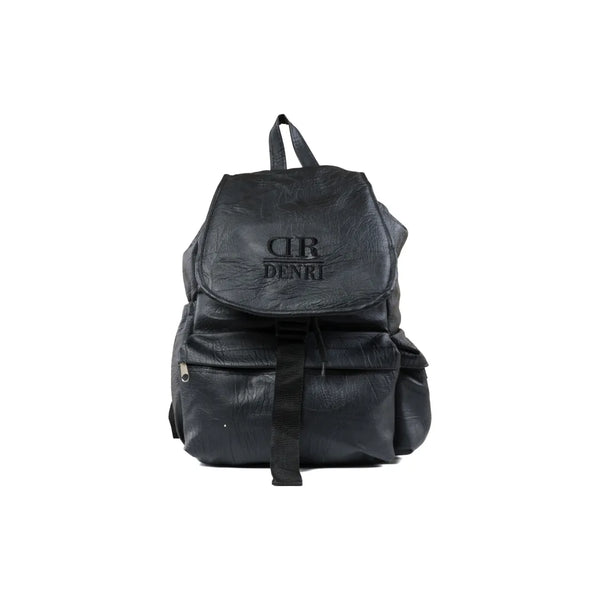
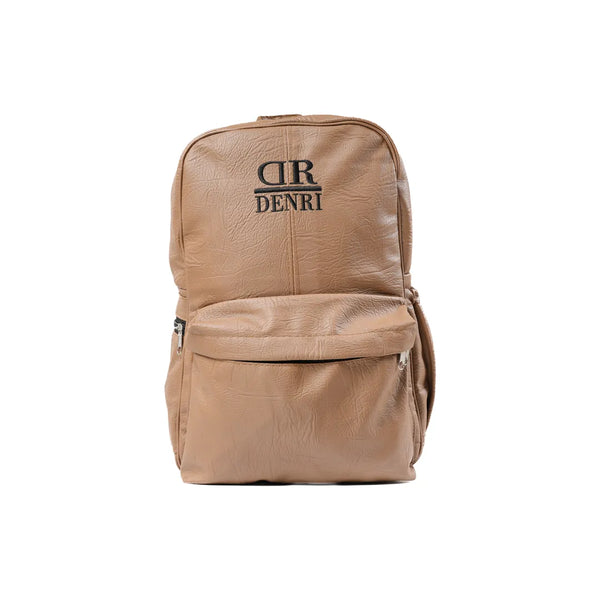
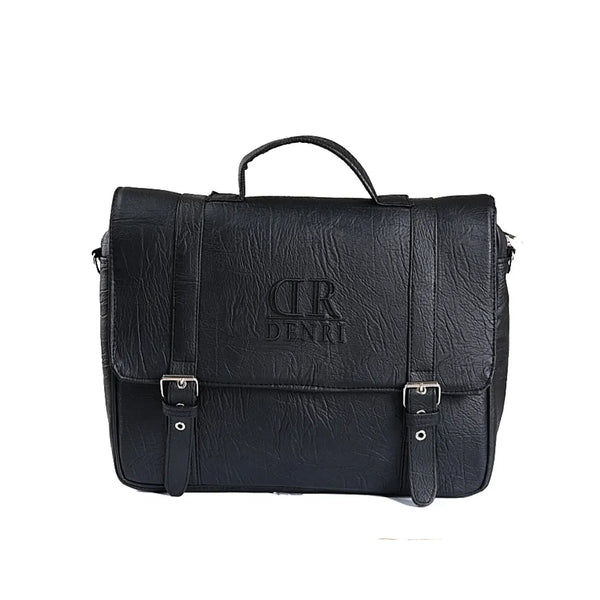
A useful conversation about a bag should begin with the person's routine rather than the product name. A Nairobi professional who moves between an office in Upper Hill, appointments in the CBD and an evening commitment in Westlands may need something different from a university student travelling between campus, home and study spaces. Someone carrying a laptop and documents needs to think about organisation and protection, while someone preparing for a short trip may care more about capacity and ease of carrying. The Denri Laptop Backpack is designed around a dedicated laptop compartment and multiple external pockets, making it relevant to customers whose daily load includes a laptop and smaller work essentials. A Lotus Briefcase Bag or Nova Briefcase Bag speaks to a different kind of professional routine where a briefcase format may make more sense. The service value is not in telling every customer that one of these is better than the others, but in helping the customer identify which category matches their actual day.
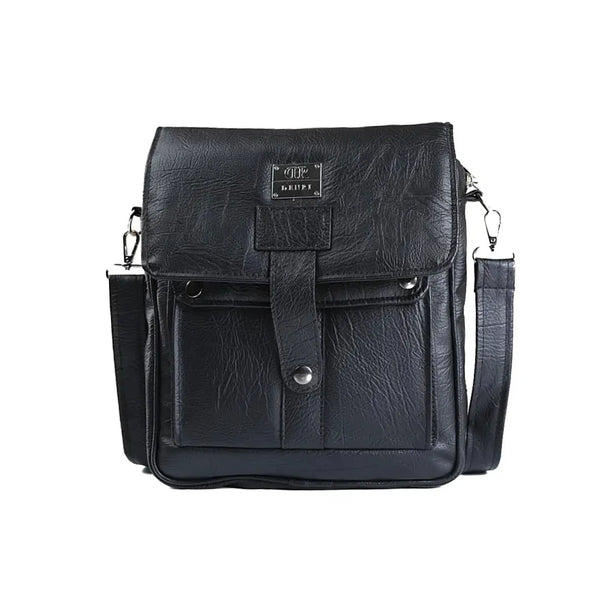
This is especially important because Kenya's movement patterns do not always fit neat product categories. A person can begin the morning with work responsibilities and finish the day carrying personal items after several stops, while a student may need a bag that moves between lectures, transport and home without becoming an unnecessary burden. The Modern Backpack offers another example of a backpack-oriented choice, while the Denri Satchel Laptop Bag gives customers a different format for carrying work equipment. A customer considering the Jade Briefcase may have yet another reason for preferring a structured professional bag. These distinctions matter because customer service becomes more useful when the conversation is based on the customer's circumstances rather than a generic recommendation. The extra mile is often simply taking enough time to understand what the customer needs the bag to do.
Why Product Choice Should Begin With How the Bag Will Be Used
The most useful product questions are usually straightforward. What will you carry most days? Will the bag move with you between several places? Do you need quick access to smaller items? Are you carrying a laptop, documents, clothes, school materials or personal essentials? Are you buying for yourself, another person, or a group? Those questions turn a vague shopping decision into a practical conversation, which is exactly where customer service can make a difference. A Denri Anti-Theft Backpack, for example, is described by Denri as having hidden zippers, compartments and RFID-blocking pockets, making those features relevant when a customer is specifically concerned about organisation and security. A Cairo Backpack and Atlas Backpack provide further alternatives for customers whose needs are centred on backpack-style organisation rather than a handbag or briefcase.
The same principle applies to travel. A customer planning a short trip does not necessarily need the largest travel bag available, just as someone packing for several days may find a compact everyday bag insufficient. Denri's Standard Travel Bag and Lite Travel Bag offer different starting points for customers considering travel-oriented options, while the Safiri Bag is positioned as a spacious travel bag with multiple pockets and an adjustable strap. A useful service interaction would help the customer describe the trip before discussing which option makes sense. This is particularly relevant for Kenyans travelling for work, visiting family, taking short domestic breaks or simply needing a larger bag for a particular period. Customer service becomes practical when the advice reduces the chance of choosing something that does not fit the intended use.
The Questions That Make Buying a Bag Easier
Good customer service does not require a complicated script. It requires the willingness to answer the questions that customers naturally have before committing to a product. A customer may want to know whether a particular bag can accommodate a laptop, whether it has separate pockets, whether the straps can be adjusted, or whether the format will work for a particular routine. Denri's current product pages provide concrete specifications for several products, including the Denri Laptop Backpack, which is listed with a dedicated compartment for laptops up to 14 inches. The Denri Anti-Theft Backpack is likewise described around specific organisational and security features rather than vague claims. The Jade Briefcase provides another example of how customers can compare formats according to the type of workday they expect the bag to serve.
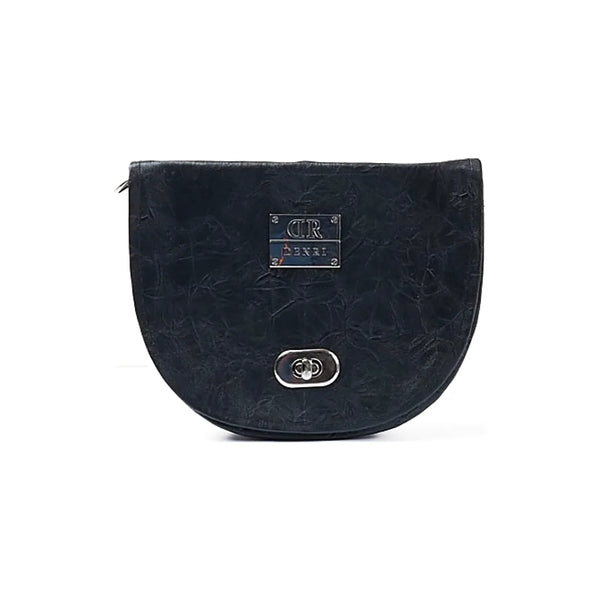
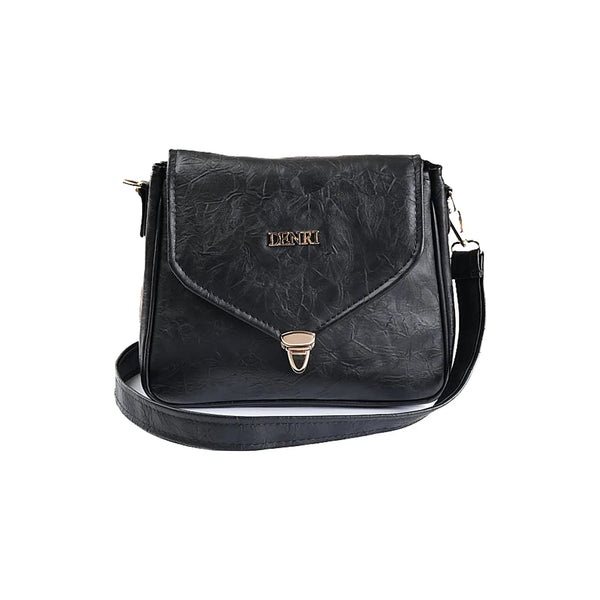
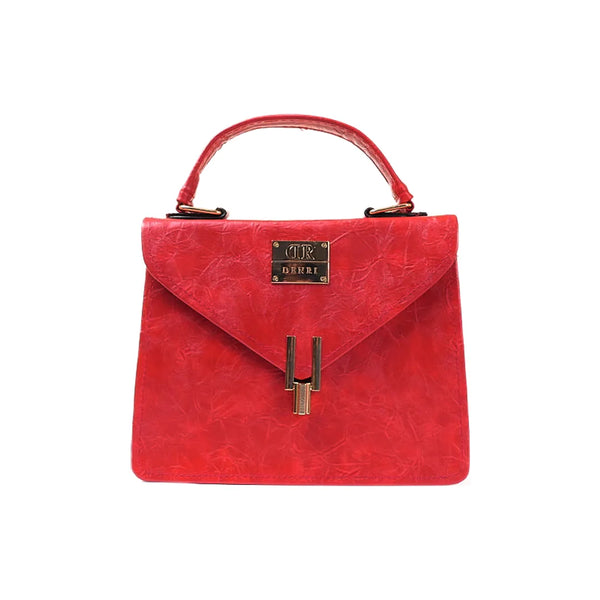
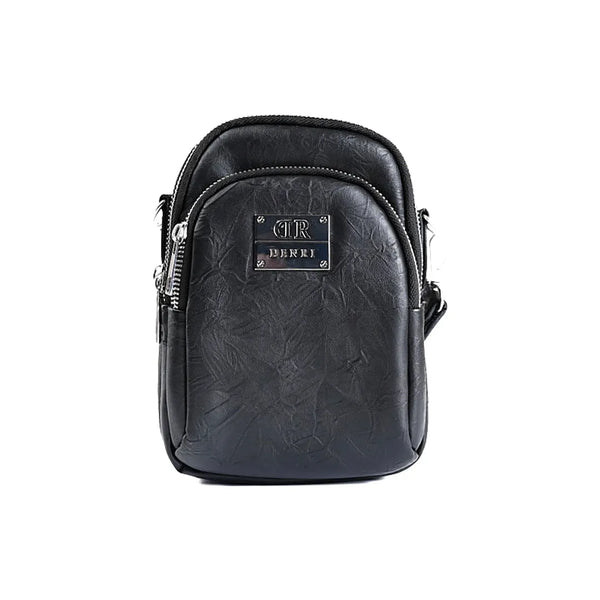
That clarity matters because customers are often trying to make a decision quickly. Someone checking products on a phone may be doing so between meetings, during a commute or while preparing for an upcoming trip. A useful answer should therefore remove uncertainty instead of creating more of it. The Round Sling is naturally different from the Denri Belt Bag, just as either differs from the Zuri Handbag. A customer looking for something compact should not have to navigate through unrelated categories simply because all three are technically bags. Product information becomes part of customer service when it helps someone quickly understand which options deserve closer consideration. The extra mile is not always a special gesture; sometimes it is simply making the information easier to use.
The Kenyan Customer Journey Does Not End at Checkout
Customer service also continues once a customer has chosen a product. Denri's current Kenya storefront communicates practical ordering information, including online purchasing, WhatsApp checkout and dispatch information on individual product pages. That makes the post-selection stage part of the overall experience rather than a separate issue. A customer ordering the Denri Laptop Backpack, the Safiri Bag, or the Modern Travel should be able to understand what happens after the decision has been made. Clear information matters because uncertainty can make a straightforward purchase feel unnecessarily difficult. A smooth customer journey therefore depends not only on the product itself but also on how clearly the next step is communicated.
The same applies when a customer has a question after receiving the product. Someone may need clarification about a feature, care, use or another part of the product experience. The Denri Wash Bag Dopp Kit, Pocket Travel, and Vanity Pack illustrate how even smaller accessories can create specific questions about purpose and organisation. The customer should not be expected to feel uncomfortable simply because the purchase has already been completed. A question is part of the relationship with a brand, not evidence that the relationship has failed. When a business makes it easy for customers to seek clarification, it creates space for problems to be addressed before they become larger frustrations.
What Feedback Can Teach a Brand About Everyday Use
Feedback is one of the clearest ways a product brand learns what customers actually experience after purchase. Product descriptions can explain features, but customers reveal how those features behave within real routines. A person using a Denri Laptop Backpack every weekday may notice an organisational detail that matters far more in practice than it seemed when first reading the product page. Another customer using a Daria Backpack may have a different observation based on how they use the bag through their own routine. A traveller using a Zoezi Travel Bag may notice another aspect of the product after taking it on a journey. Customer feedback creates a bridge between what a product is designed to do and how people actually use it.
Denri's current Kenya site already displays customer reviews on product pages, including reviews for the Laptop Backpack. That matters because feedback is more useful when it becomes part of an ongoing product conversation rather than being treated as an occasional marketing quote. A review can identify something customers appreciate, something they wish were different, or a feature they found particularly useful. Those observations can help future customers make better decisions about products such as the Atlas Backpack, Kai Backpack, or Pioneer Backpack. Listening therefore has a practical function: it gives the next customer more information than the previous customer had.
Going the Extra Mile Means Making the Decision Easier
Kenya's Customer Service Week discussion is centred on moving beyond ordinary service toward more responsive and customer-centred experiences. For a fashion brand, that does not need to mean turning every interaction into an elaborate event. It can mean helping a customer distinguish a work bag from a travel bag, explaining a product feature clearly, making contact easier, or listening when a customer explains why a product did or did not work for them. The Denri Laptop Backpack, Safiri Bag, and Denri Briefcase demonstrate how different products can support different needs within the same broad world of work and movement. The important part is not convincing everyone to buy one particular product, but helping each customer understand the choice in front of them. That is where customer service becomes part of the value of the brand itself.
Denri's story began in Nairobi in 2015, and the company now describes its work through a combination of fashion, function, quality and customer experience. The company's Kenya editorial archive also continues to focus on how bags fit into real Kenyan movement, from everyday routines to travel and professional life. That makes Customer Service Week an opportunity to look at the customer journey through the same practical lens. The Montana Sling Bag, Amaya Handbag, and Twain Travel Bag may serve very different moments, but the principle behind choosing them is the same: the product should make sense for the person using it. Going the extra mile begins when a customer feels that their actual need has been understood. During Customer Service Week, that is a more meaningful measure of service than simply saying thank you.
You may also like
View All
Beyond the Bag: How Denri Connects Customer Service with Better Bag Choices

The Wins, The Lessons, The Year, and the Bags That Carried It All

Choosing School Bags for Children: How Denri Designs Around What They Carry
Finding the best school bag comes down to understanding what your child carries each day. Learn how to compare capacity, compartment layout, padded straps, and water resistance to select a Denri school bag that fits your child’s actual routine.